
“So – are you visiting?”
We had returned to Cairo for our first trip two years after leaving.
Cairo had been our home for seven years.
 |
| photo credit: Marilyn Gardner |
It was in Cairo that we had watched three of our five children take their first steps.
It was in Cairo where our youngest two were born, three years apart.
It was our community in this city that had loved us and cared for us through pregnancies and sickness; through post-delivery chaos and family crises; and through packing up and leaving when the time came.
The apartment we lived in still had markings of our children’s measurements on the doorpost. We had seen these just a day before while with our friends.
Cairo had been home for a long time and it broke our hearts to leave.
We said goodbye to all those things we loved so deeply.
Rides in huge, wooden boats called feluccas on the Nile River; Egyptian lentils (Kosherie) with the spicy tomato sauce and crispy fried onions to top it off; friendships that had been forged through hours of talking and doing life together; a church that was one of a kind with people from all over the world.
So when the woman asked me the question I didn’t know what to say.
A lump came into my throat and I willed myself to hold back the tears.
Visit means stranger, tourist, one who goes and stays in a place for a “short time.”
The dictionary definition is clear on this.
It goes on to add “for purposes of sociability, business, politeness, curiousity…”
By contrast, the word live means “to dwell, to stay as a permanent resident.”
We were no longer permanent residents in Cairo, Egypt.
Our visas, stamped into our blue passports, no longer gave us legal resident status. Instead, they gave us only temporary permission to be in the country.
We did not have permission to dwell, to live, to work.
We only had permission to stay for a short time – to ‘visit.’
The grief that washed over me was acute and I wanted to bury myself in it.
I wanted to be able to grieve with abandon, to cry the tears I had wanted to cry since leaving two years prior.
I wanted to cry tears that would water the dusty ground that surrounded me, ground that had not seen water for a long time.
But I couldn’t.
Because indulging in the grief at that moment would have taken me away from the place that I loved, the people that I loved.
When a third culture kid suddenly finds himself or herself a stranger, a visitor in a land they once claimed the grief is acute and necessary.
And there is no way around but through.
Trying to avoid the reality is not helpful.
But this I know: More difficult than a visit would have been no visit at all, far harder than facing my current reality would have been dreaming a dream in a country far removed and never getting to experience this beloved place again.
So I held in the grief until a better time, swallowed hard, and went on my way.
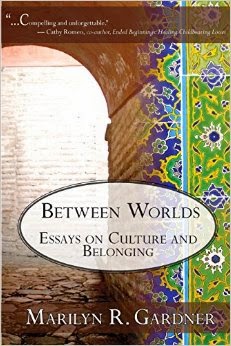
Marilyn Gardner is an adult third culture kid who grew up in Pakistan and raised her own third culture kids in Cairo, Egypt before moving to the United States. She is author of the recently released book Between Worlds: Essays on Culture and Belonging available now at Amazon, Barnes & Noble, and Powell Books.








 thisiskatha.com